Common Problem Areas of Commercial Flat Roofs
July 13, 2024
Commercial flat roofs are popular due to their cost-effectiveness, accessibility, and suitability for various installations, such as HVAC units and solar panels. However, like any roofing system, flat roofs come with their own set of challenges.
Understanding these common problem areas can help you troubleshoot and maintain your flat roofing effectively. Let’s discuss some of the most prevalent issues encountered with commercial flat roofs.
Common Flat Roofing Problems
Exposure to Elements
Flat roofs are continuously exposed to the elements, making them vulnerable to damage from sun, wind, rain, hail, and even pollutants. This exposure leads to a variety of problems, including fading, cracking, and general wear and tear. Regular inspections and maintenance are crucial to mitigating the impact of environmental exposure on your flat roof.
Leaks
Leaks are one of the most common problems with flat roofs. Due to their design, flat roofs can struggle to shed water effectively, leading to pooling and seepage. Water that remains stagnant can eventually penetrate the roofing material, causing leaks that damage the interior of the building.
Immediate attention to any signs of leakage can prevent more significant issues down the line.
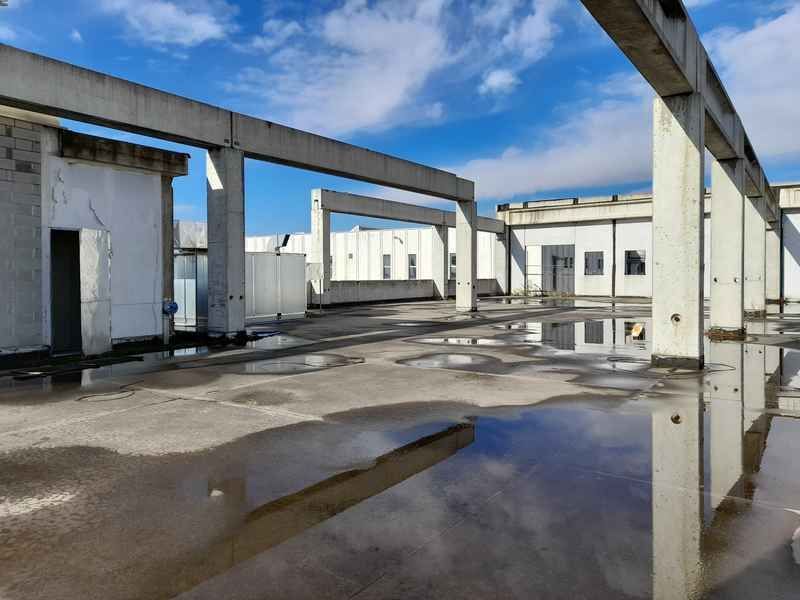
Ponding Water
Ponding or standing water occurs when the roof’s drainage system is inadequate. Over time, this causes the roof to sag under the weight of the water, leading to further structural damage and leaks. Ensuring proper drainage during installation and performing regular maintenance to clear drains can help prevent ponding water.
Punctures and Tears
Flat roofs are susceptible to punctures, splits, and tears, especially from storm damage and foot traffic. Regular inspections after severe weather events and minimizing unnecessary rooftop access can help reduce the risk of damage. Using protective walk pads for any necessary rooftop activities can also mitigate this issue.
Structural Movement
Structural movement, caused by natural expansion and contraction due to temperature changes, leads to cracks and splits in the flat roof membrane. This issue is exacerbated in regions with significant temperature fluctuations. Using flexible, durable materials and ensuring professional installation can help accommodate structural movement and reduce damage.
Debris Accumulation
Debris, such as leaves, branches, dirt, and trash, can accumulate on flat roofs, clog drains, and cause water to pool. This not only leads to ponding water but also accelerates wear and tear on the roofing material. Regularly cleaning and maintaining the roof is essential to keeping debris in check and ensuring the longevity of the roof.
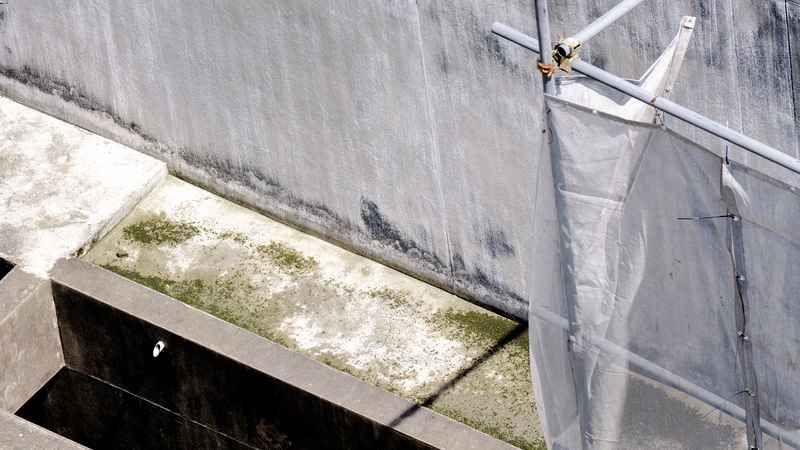
Biological Growth
Flat roofs that suffer from prolonged exposure to moisture are prone to biological growth, including algae, moss, and vegetation. This growth can damage the roof’s surface and reduce its reflectivity, leading to increased interior temperatures.
Regular cleaning and the use of materials resistant to biological growth can help prevent these issues.
Blistering and Alligatoring
Blistering and alligatoring are surface defects caused by prolonged exposure to the sun and saturated insulation. Blistering involves forming raised areas on the roof surface, while alligatoring refers to cracks resembling alligator skin.
Both issues compromise the roof’s integrity and require timely roof repairs to prevent further damage.
Shrinkage
Shrinkage affects flat roofs made from synthetic rubber membranes, such as EPDM. Over time, these membranes can shrink, causing seams to delaminate and allowing openings to form on the roof surface. Ensuring proper installation and using high-quality materials can help mitigate the effects of shrinkage.
Neglecting Maintenance
One of the most significant causes of premature flat roof failure is neglecting routine maintenance. Regular inspections, timely repairs, and proper cleaning can prevent many of the issues mentioned above. Establishing a maintenance plan with a trusted roofing contractor ensures that potential problems are addressed before they escalate, extending the life of your flat roof.
Commercial flat roofs offer numerous benefits but come with their own set of challenges. By understanding common problem areas such as exposure, leaks, ponding water, and debris accumulation, you can take proactive steps to maintain your flat roof effectively.
At Artisan Building & Remodeling, we specialize in providing high-quality flat roofing solutions and commercial roof maintenance services to help you keep your commercial property in top condition.
Contact us today for a free estimate and let our experts ensure your flat roof remains trouble-free for years to come.
Share this Post
Recent Blog Post