What to Do When Winter Weather Damages Your Roof
February 2, 2023
Despite the picturesque scenes it can paint, winter weather can provide some of the harshest conditions your roof may ever face. Do you suspect that your roof has been damaged by your local winter weather? What should you do when the winter storms have come and gone? It’s important to have a clear understanding of the proper steps that should be taken when the roof of your home has been damaged, so let’s examine the steps you should take once the storm has passed.
Safely Assess The Damage
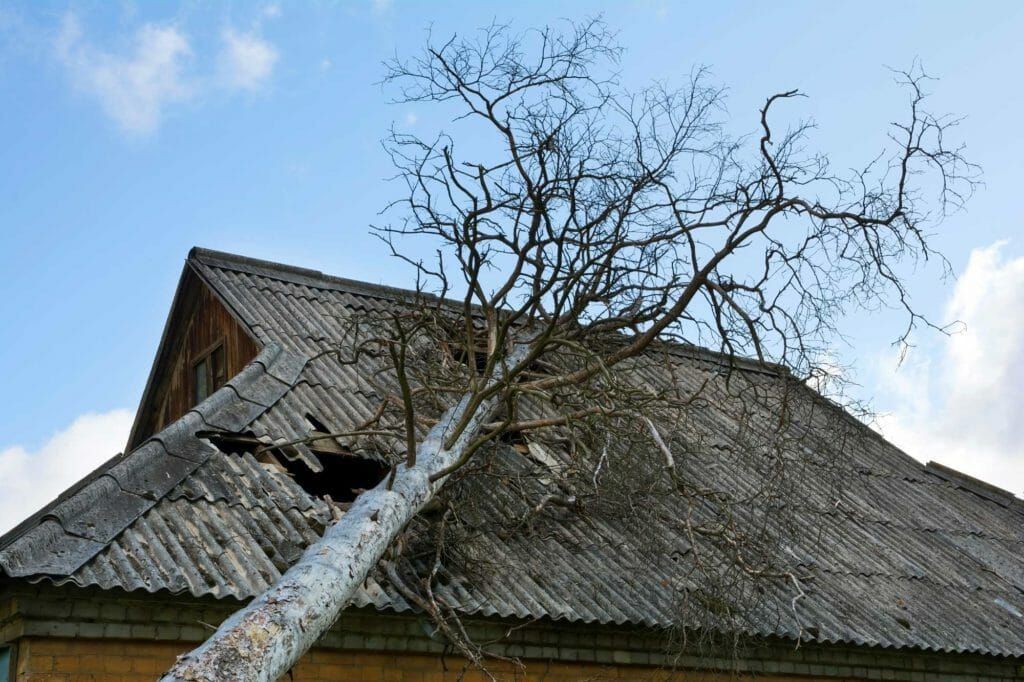
Be it ice, snow, wind, or rain, the first step after you experience severe weather is to assess the damage. An approximate damage assessment from a trusted local roofing team can help you discuss your needs with your insurance company or Berlin roofing contractor and avoid unforeseen costs or discrepancies. It’s important to make such assessments in daylight after inclement weather has passed. If the storm clears at night, take as many cautionary measures as you can as you proceed to the other tips on this list, then come back to assess the damage once it is safe to do so. The freezing conditions are already risky during the day, so taking any action at night should absolutely be avoided at all costs. When it is safe to do so, gather your best estimate of the general square foot area and specific details of the area that has been damaged. Note the severity of the damage, and look carefully to see if there are areas of missing shingles. Depending on the severity of some cases, only a few random shingles will be missing.
Make Temporary Fixes to Minimize Property Damage
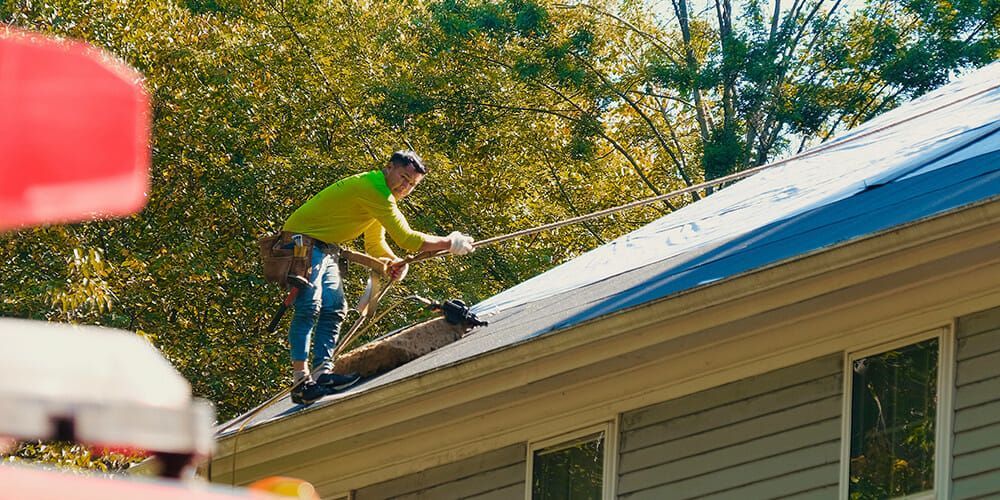
If a roof is severely damaged in an area directly above a living space, the interior property can be severely damaged by leaking water. To prevent further interior damage, be sure to place a bucket or garbage can under leaks and remove any valuables in the area and store them in a dry location. Serious damage may need to be waterproofed quickly using a strapped tarping method, while smaller repairs can be shingled immediately. Document any exposed or visible materials as you make the temporary fixes. Check for signs of exposed plywood, tarpaper, or the ends of missing shingles. Take note of the color of the material and the approximate shade in case you have spare shingles from a past roof replacement project, the shingle color may be stamped on the end of the package.
Contact Your Insurance Company
Once you’ve assessed the damage and made the necessary fixes, it’s time to contact your insurance company. They will help evaluate if the damage is large enough to be covered through home insurance, or whether it would be more economical to hire a contractor directly for any necessary repairs. In times of natural disaster, when large residential areas are hit by a storm or other severe weather, it can be beneficial to use your homeowner’s insurance as contractors can become busy.
If Necessary, Contact A Reliable Contractor To Repair The Roof
If you decide that a private contractor is the best solution for your roof and your budget, make sure to always hire a professional certified roofing contractor. Avoid contractors who are in the area because of a natural disaster. These traveling contractors, also known as storm chasers, may not have a trustworthy reputation to uphold – if they have a reputation in your area at all – and may provide substandard workmanship. The last thing you need is to hire a second contractor to repair the shoddy work of a storm chaser, so choose the right local team for your job!
If you are experiencing any of these signs or are concerned about your roof, please contact the experts at Artisan Building & Remodeling LLC in Berlin for a free roof evaluation.
Share this Post
Recent Blog Post