4 Tips to Help You Handle Storm Damage to Your Berlin Roof Like a Pro
December 16, 2023
Berlin can face natural disasters such as severe thunderstorms, floods, hurricanes, and tornadoes, which can have a significant impact when they occur. Staying prepared can minimize the impact of natural disasters and keep residents safe. However, when it comes to roof storm damage, you must be not only prepared- but know how to handle the after math.
Storms can cause a lot of damage to your roof, especially if it is already old or weak. Dealing with a damaged roof can be extremely overwhelming, but it’s important to act quickly to prevent further damage. Here are four tips to help you handle storm damage to your roof like a true Berlin pro:
Assess the damages:
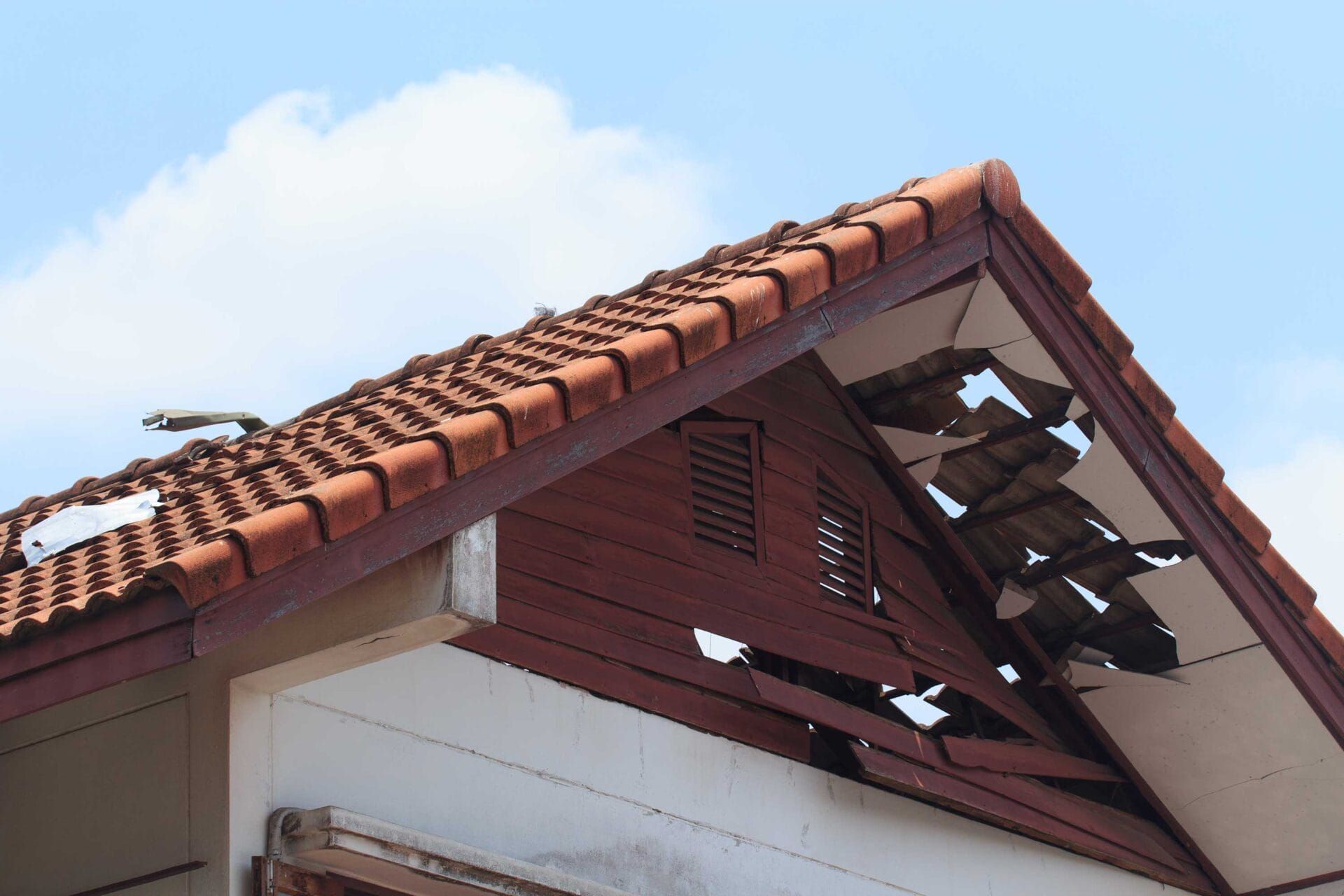
Before you climb onto your roof, assess the roof’s storm damage from the ground. Look for visible signs of damage such as missing or cracked shingles, dents, and holes. Check for debris that may have fallen onto your roof, such as tree limbs or branches.
Document the damages:
Take photos or videos of the storm damage for insurance purposes. This will help you file a claim and get the compensation you need to repair the damage. Be sure to get both close-up images and further away images to fully support your claim.
Cover the damaged area:
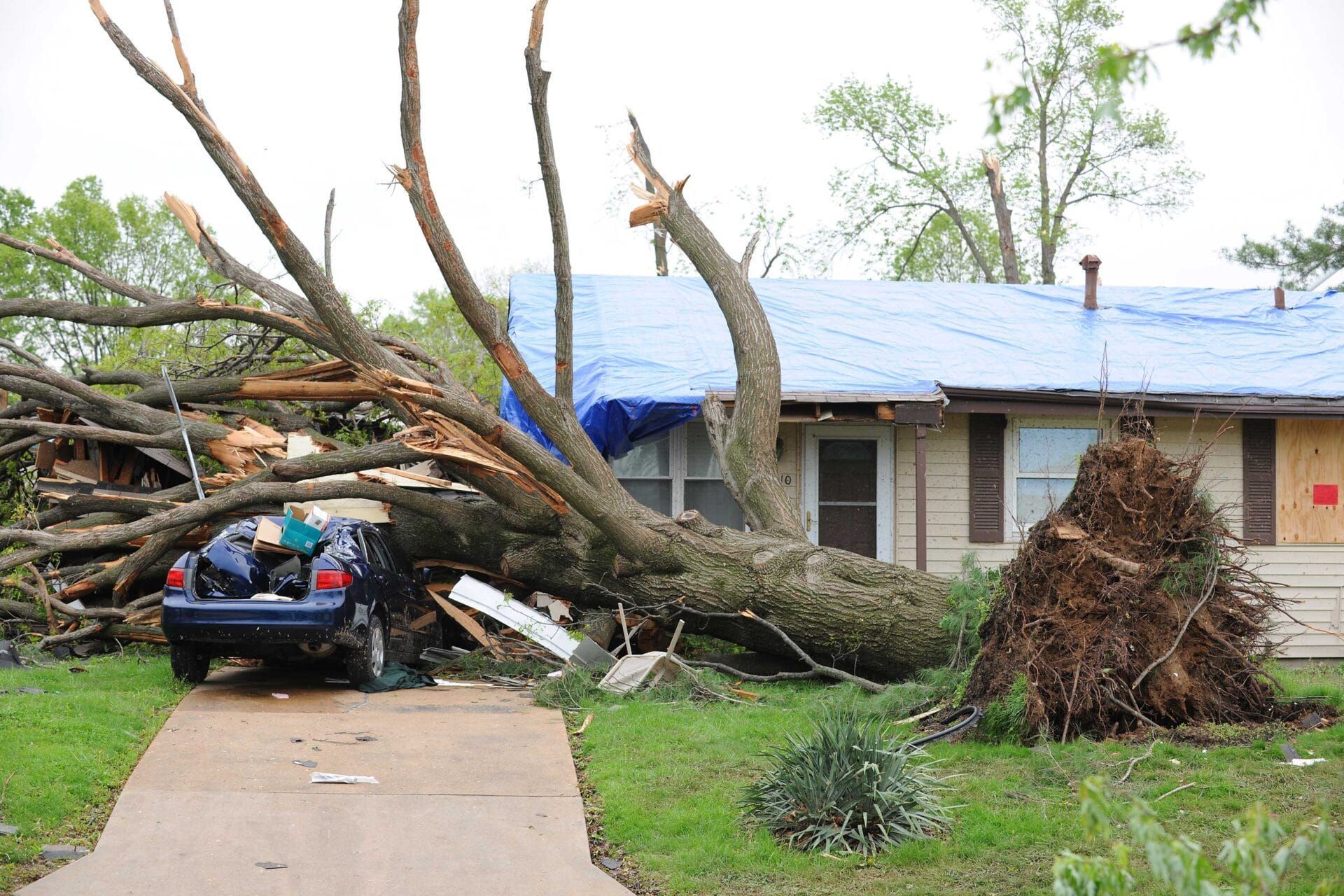
If there is a hole or opening in your roof, cover it with a tarp or plastic sheeting to prevent water from getting inside. This will also prevent further damage until a professional can repair it.
Call a professional:
If the damage is severe, it’s best to call a roofing professional. They have the expertise and equipment to repair the damage safely and effectively. Don’t attempt to fix the damage yourself, as it can be dangerous and may cause further damage. Remember, safety should always come first when dealing with storm damage to your roof. If you are unsure about the extent of the damage or how to repair it, don’t hesitate to call a professional.
It is crucial to mention that you should regularly inspect your roof to ensure it is in good condition and can withstand any potential storms. Check for any signs of wear and tear, such as cracked or missing shingles, and make any necessary repairs as soon as possible. Keeping your roof in good condition can help prevent damage during storms and save you from costly repairs in the future.
In addition to inspecting and maintaining your roof, it’s also a good idea to review your homeowner’s insurance policy to make sure you have adequate coverage for storm damage. Some policies may not cover certain types of damage, so it’s important to know what is and isn’t covered in your policy.
By taking these steps, you can help protect your roof and home from storm damage and ensure that you are prepared to handle any unexpected situations that may arise.
If you are looking for storm damage roof repair, or are concerned about your roof, please contact the experts at Artisan Building & Remodeling LLC for a free roof evaluation.
Share this Post
Recent Blog Post